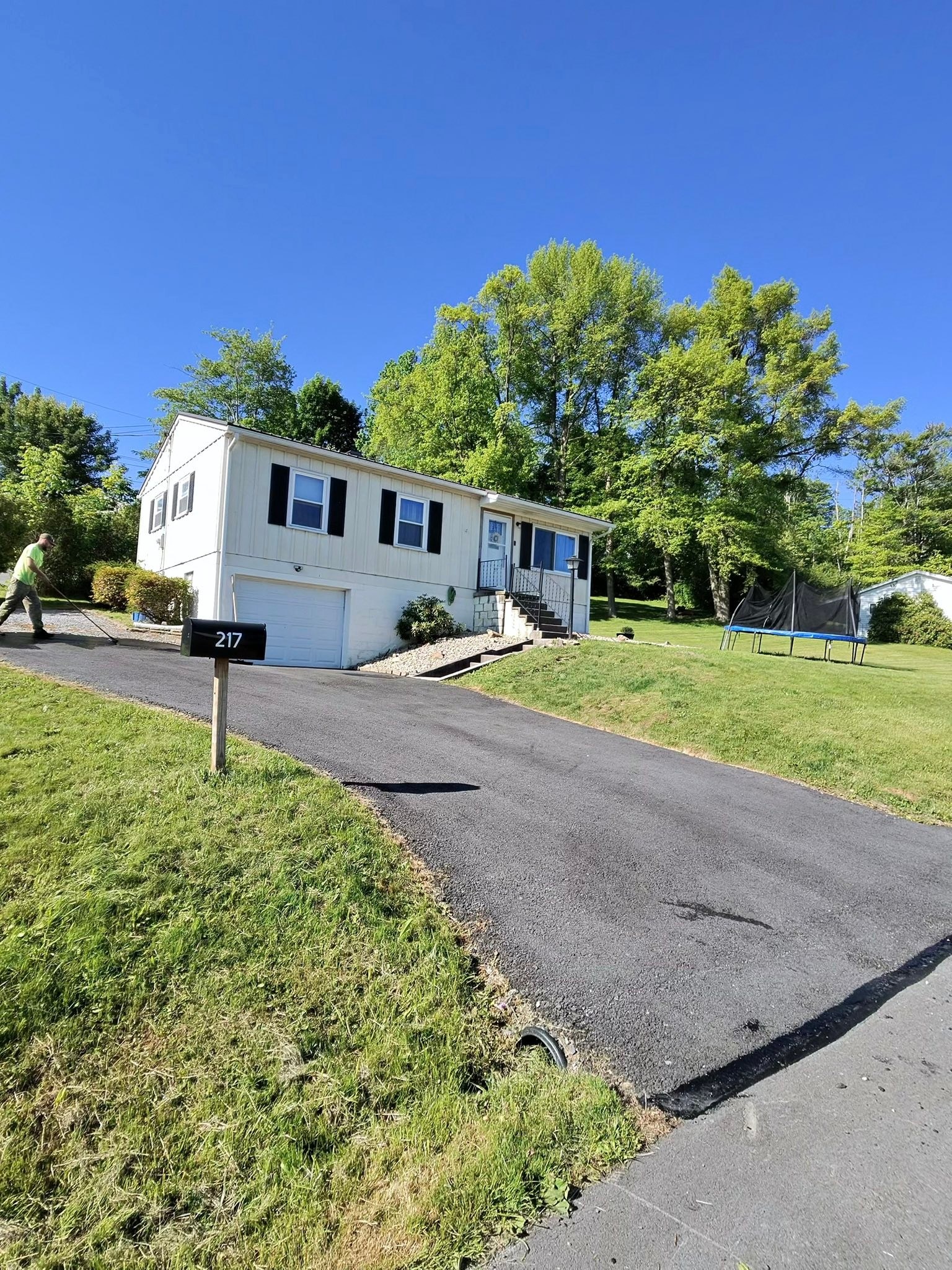
Texture and Contrast: Using Mixed Materials for Dynamic Landscape Design Mar 12, 2026
The first step in achieving a dynamic design lies in understanding the role of contrast. Contrast in landscape design refers to the visual distinction between elements, which can be achieved by using materials with different colors, forms, or textures. By juxtaposing smooth, sleek surfaces with rugged, natural elements, you create focal points that draw the eye and add depth to your outdoor space. For instance, pairing a stone walkway with lush, green hedges or vibrant flower beds can enrich the visual appeal and create striking contrasts.
Texture is another crucial element in designing a balanced landscape. It’s about the tactile quality of surfaces as well as how they visually interact in the space. Soft, fine-textured leaves against the coarse bark of trees, or the delicate petals of flowers beside the glossy leaves of hedges, can evoke sensory experiences beyond visual appreciation. Consider using materials such as gravel pathways alongside wooden decking, or integrating water features that incorporate both smooth stones and rough rocks. This variety in texture not only enhances the sensory experience but also contributes to the durability and practicality of the landscape.
The benefits of using mixed materials extend beyond aesthetic appeal. Functional diversity is crucial for designing an outdoor space that caters to different activities and seasons. For example, integrating a patio with a combination of wood and stone can offer distinct zones for dining and relaxation, each contributing its unique ambiance. Wood’s warmth and smooth texture creates a welcoming dining area, while stone’s durability provides a stable ground for cooking appliances or heavy furniture.
Thoughtful incorporation of color through materials can unify diverse elements. While a monotone approach may create a sleek look, adding pops of color through plant selection or painted structures can invigorate the design. Gardens edged with vividly colored tiles or beds bordered by painted stones add vibrancy, setting a lively mood while highlighting specific areas within the landscape.
When planning to implement a mixed materials landscape, it’s essential to consider the local climate and the intended function of each space. Durable materials like concrete and stone might be more suitable for high-traffic areas and regions with harsh weather conditions. Meanwhile, lighter and more pliable materials such as wood and certain composite products can add warmth and charm without overwhelming the space.
For those ready to embark on a landscape redesign with Bryant Property Solutions, acknowledging the interplay of texture and contrast is foundational. A well-executed combination of materials does more than beautify; it adds dimension, ensures usability, and cultivates a personal sanctuary tailored to the owner’s lifestyle.
In conclusion, mixed materials in landscape design create environments that are not only beautiful but are functionally and stylistically rich. By weaving together an array of textures and contrasts, you craft a garden that captures the eye and heart. Unlock the potential of your outdoor space by embracing this dynamic approach, and watch as your landscape evolves into a masterpiece of natural art.
/filters:no_upscale()/filters:format(webp)/media/d648a8be-3bae-4ded-80a8-700bd7ace8ea.jpg)
/filters:no_upscale()/filters:format(webp)/media/93baf93d-88ff-4376-ae64-650840cf0d0f.png)